

High-Quality Food Packaging Types from Leading Manufacturers
When it comes to choosing the right packaging types for food, I always prioritize high-quality materials that ensure freshness and safety. As a B2B purchaser, I understand that my decisions impact not just my business, but also my customers’ satisfaction. That's why I seek out manufacturers who not only offer a diverse range of packaging solutions—like flexible pouches, rigid containers, and eco-friendly options—but also maintain stringent quality standards. I’ve found that investing in reliable packaging can significantly boost product shelf life and enhance brand image. Working with reputable manufacturers has allowed me to tailor our packaging approach, making sure it aligns with both market demands and regulatory requirements. Having the right packaging type not only saves costs in the long run but also adds value to the products we deliver. By choosing wisely, I feel confident our brand stands out for its commitment to quality and excellence.
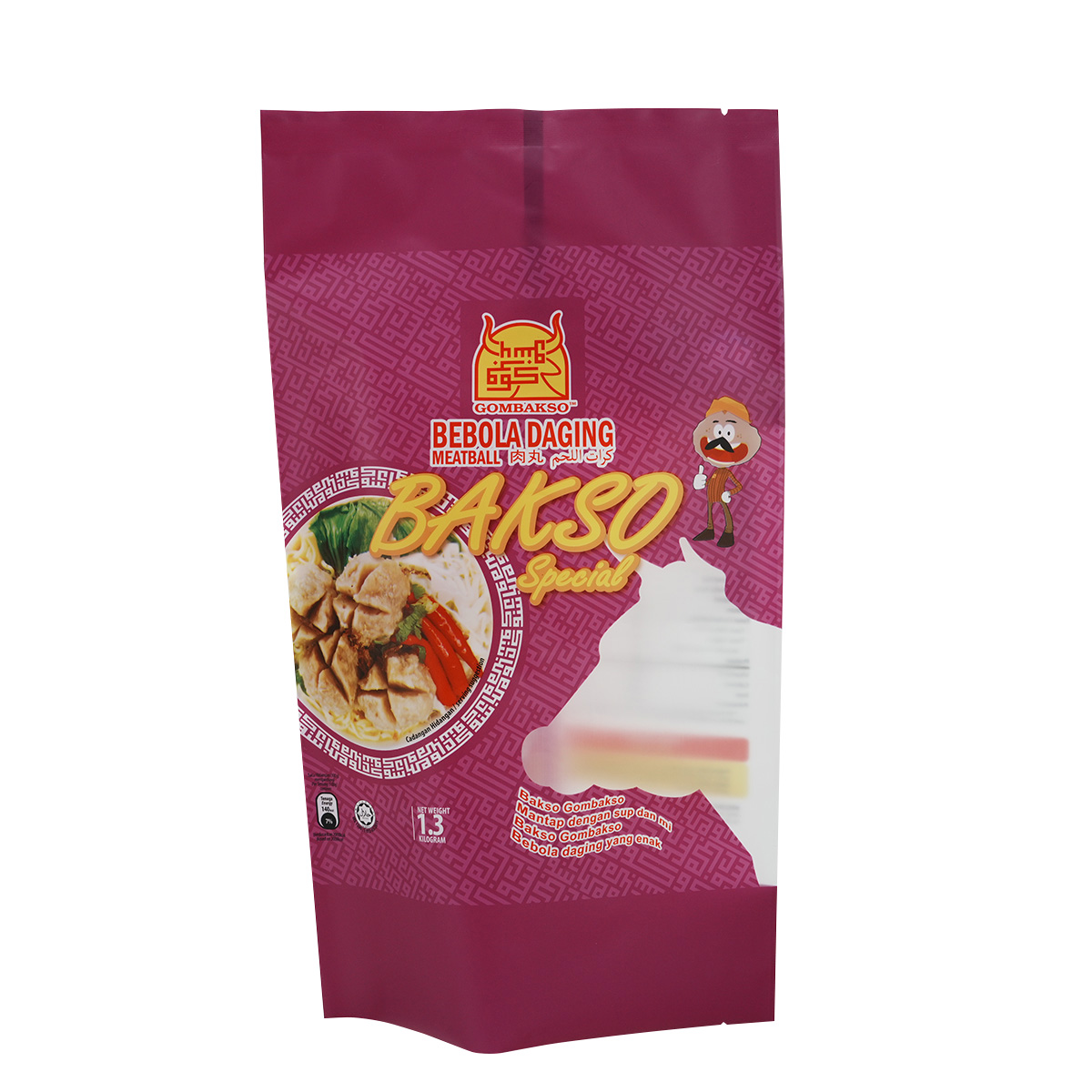


Packaging Types For Food Supplier Sets the Industry Standard
In the ever-evolving landscape of food packaging, understanding the different types of packaging is paramount for suppliers aiming to meet industry standards and consumer expectations. As sustainability and food safety become increasingly important to global buyers, the choice of packaging materials can significantly impact both the brand's market positioning and the overall customer experience. One of the most significant trends in food packaging is the shift towards eco-friendly materials. With consumers becoming more environmentally conscious, suppliers are adopting biodegradable and recyclable materials that not only protect the product but also align with sustainable practices. From compostable films to reusable containers, these innovations not only reduce waste but also appeal to a broader audience that prioritizes responsible sourcing. Additionally, functionality and convenience are key factors driving packaging choices. Advanced technologies are enabling the development of smarter packaging solutions, such as vacuum-sealed bags and tamper-evident seals, which enhance food preservation and safety. By investing in innovative packaging types, suppliers can ensure product integrity during transportation and improve shelf life, ultimately gaining a competitive edge in the global marketplace. Understanding these packaging dynamics will allow suppliers to strategically position themselves and meet the demands of modern consumers.
Packaging Types For Food Supplier Sets the Industry Standard
| Packaging Type | Material | Environmentally Friendly | Seal Type | Shelf Life |
|---|---|---|---|---|
| Flexible Pouch | Plastic/Aluminum | Yes | Ziplock | 12-24 months |
| Glass Jar | Glass | Yes | Metal Lid | 24-36 months |
| Cardboard Box | Cardboard | Yes | Tuck Flap | 6-12 months |
| Shrink Wrap | Plastic | No | N/A | 6-12 months |
| Tin Can | Metal | No | Pull Tab | 2-5 years |
Related Products

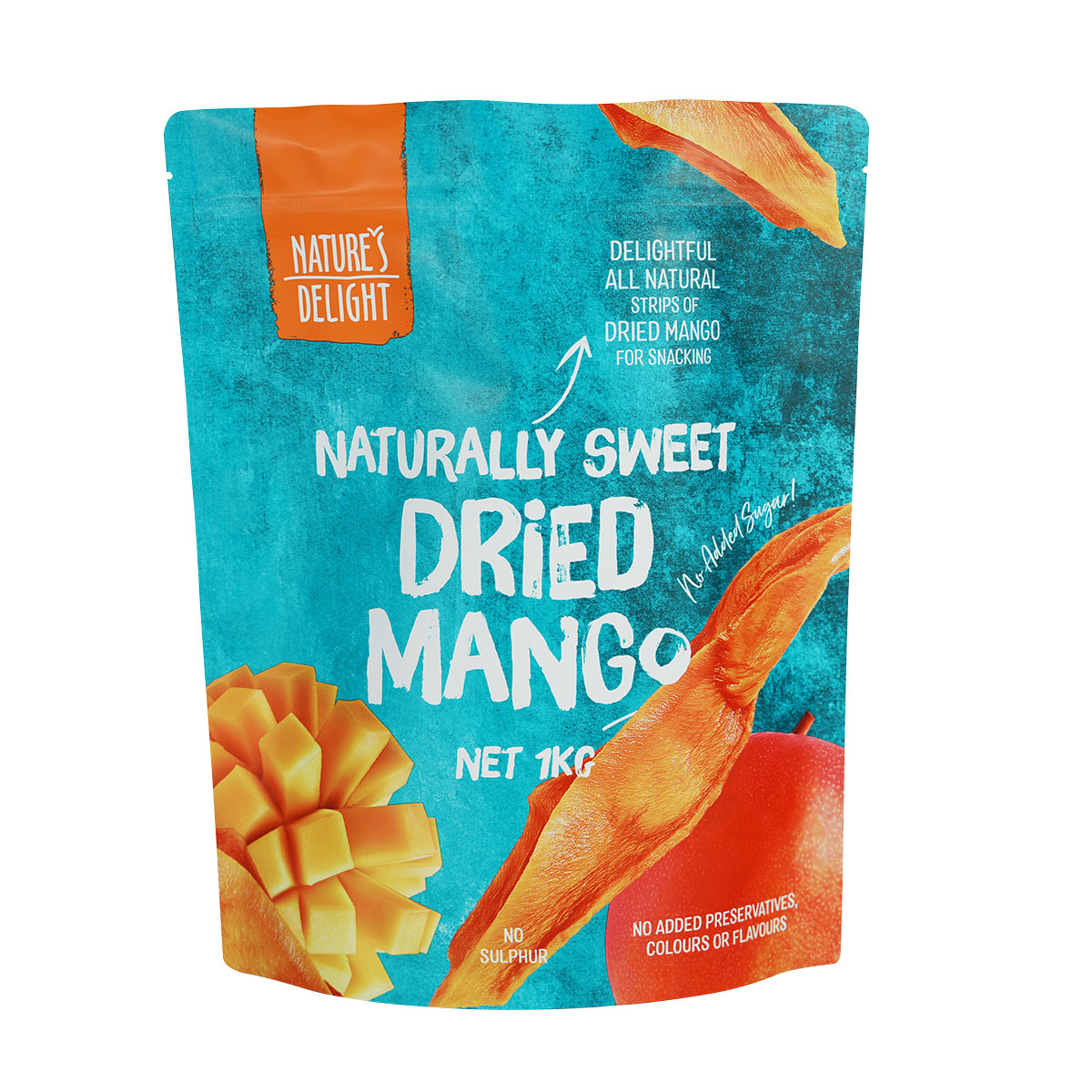
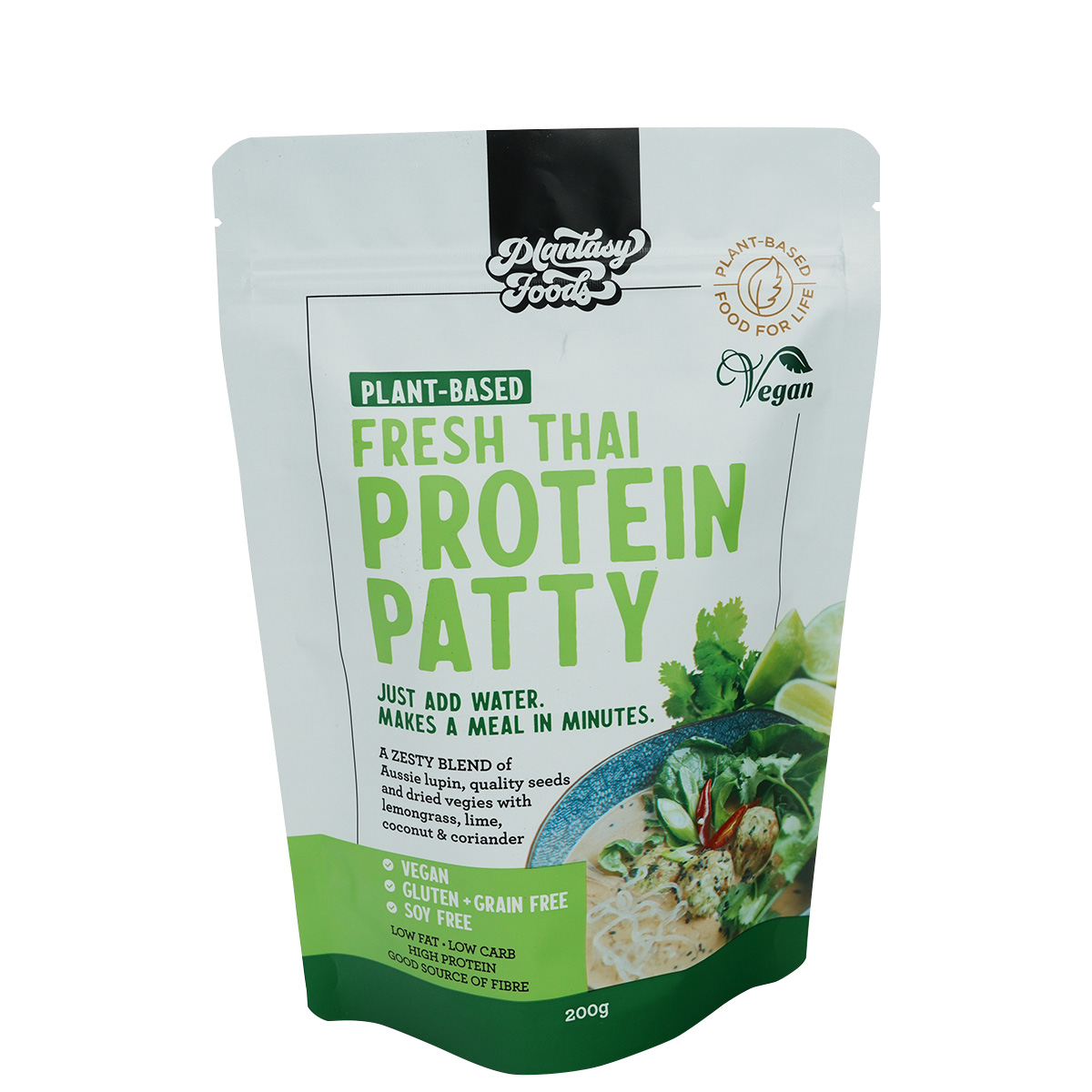
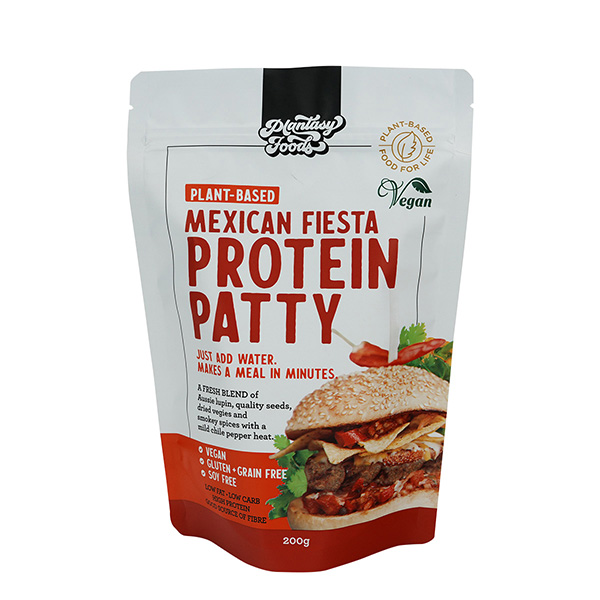
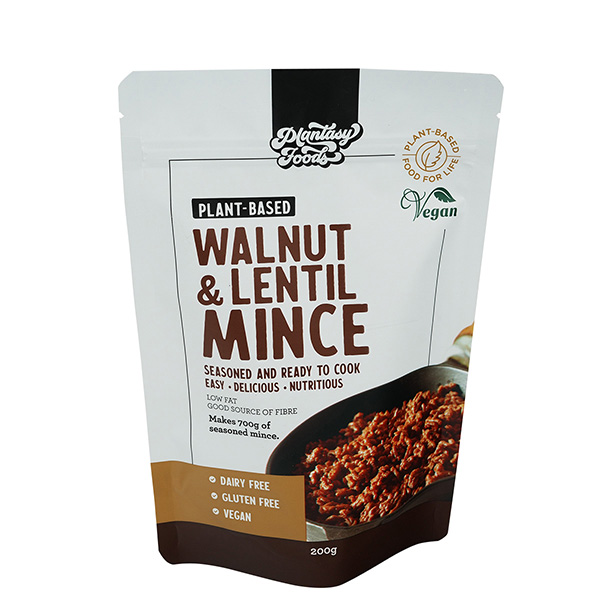
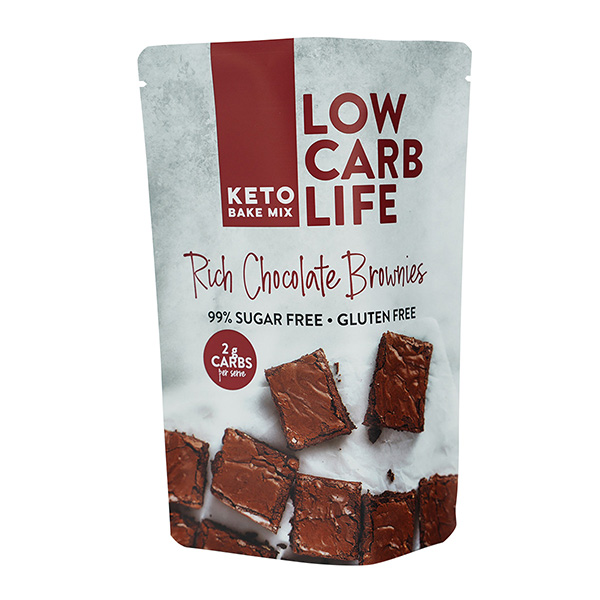
Packaging Types For Food Now Trending Your End-to-End Solution
Top Selling Products


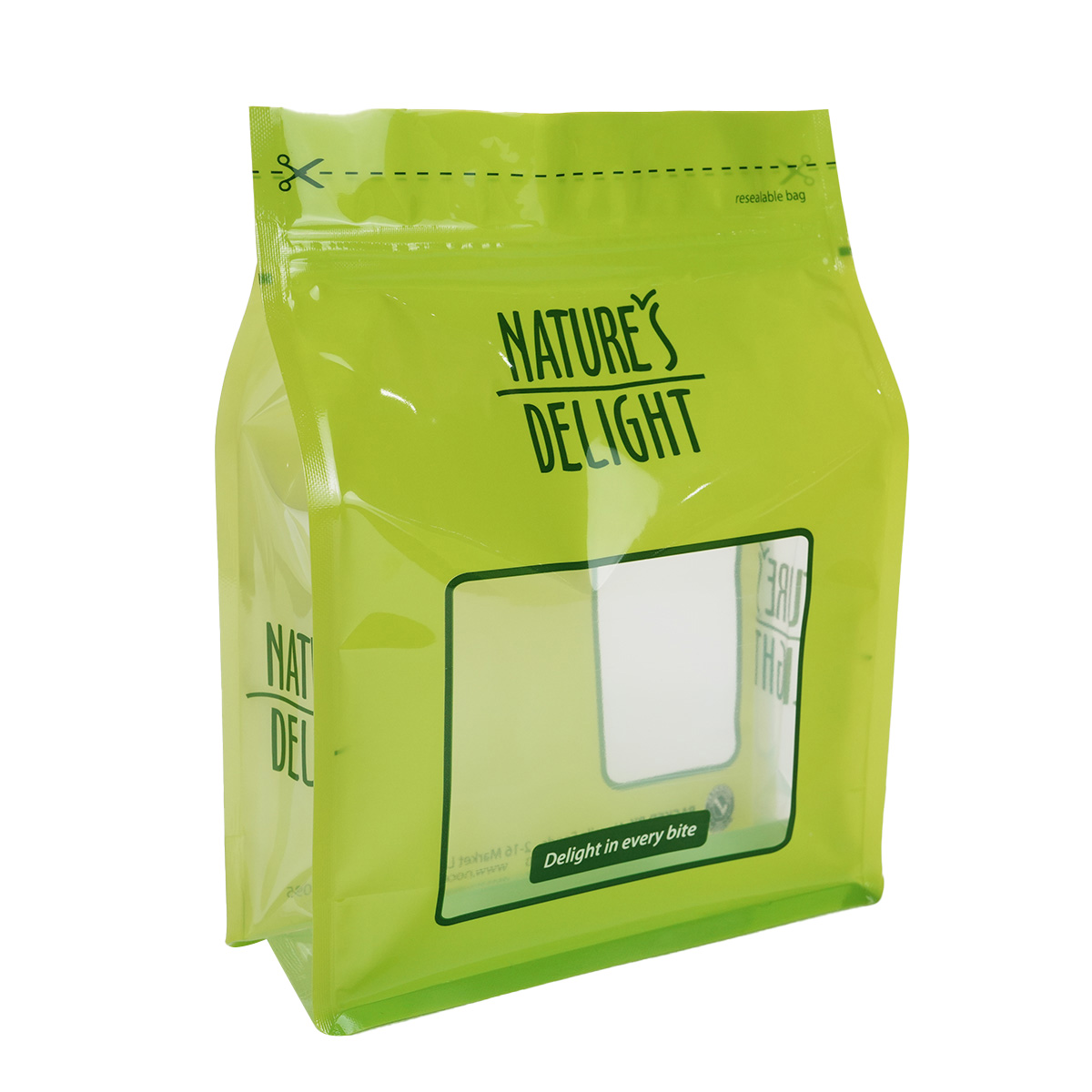



- Related Blog
- Reviews

-

Phone
Phone
86 13502997386
86 13682951720 -

E-mail
-

Whatsapp
-

Wechat
Wechat

-

Top