

Explore Types of Food Packaging at Our Factory for Your Needs
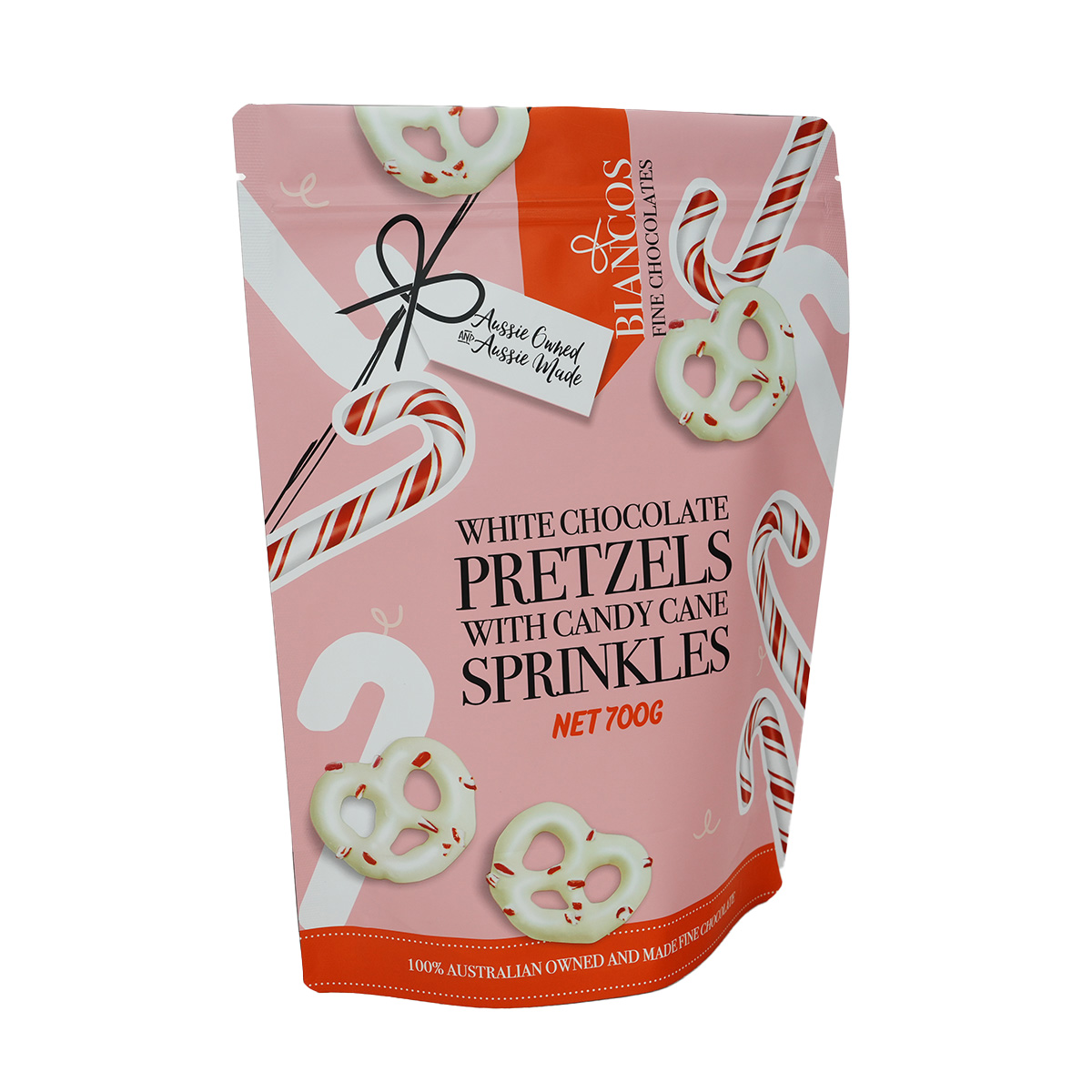
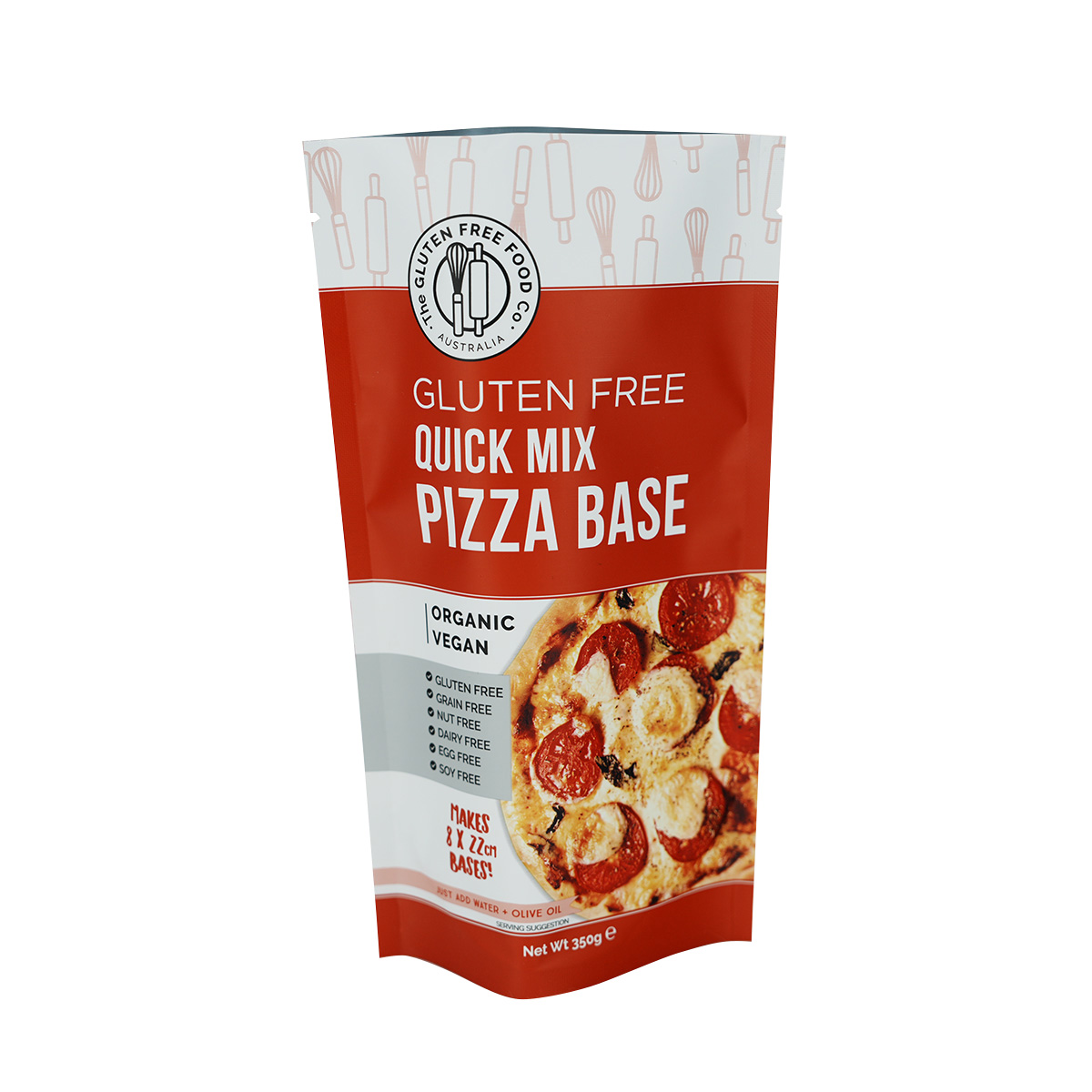
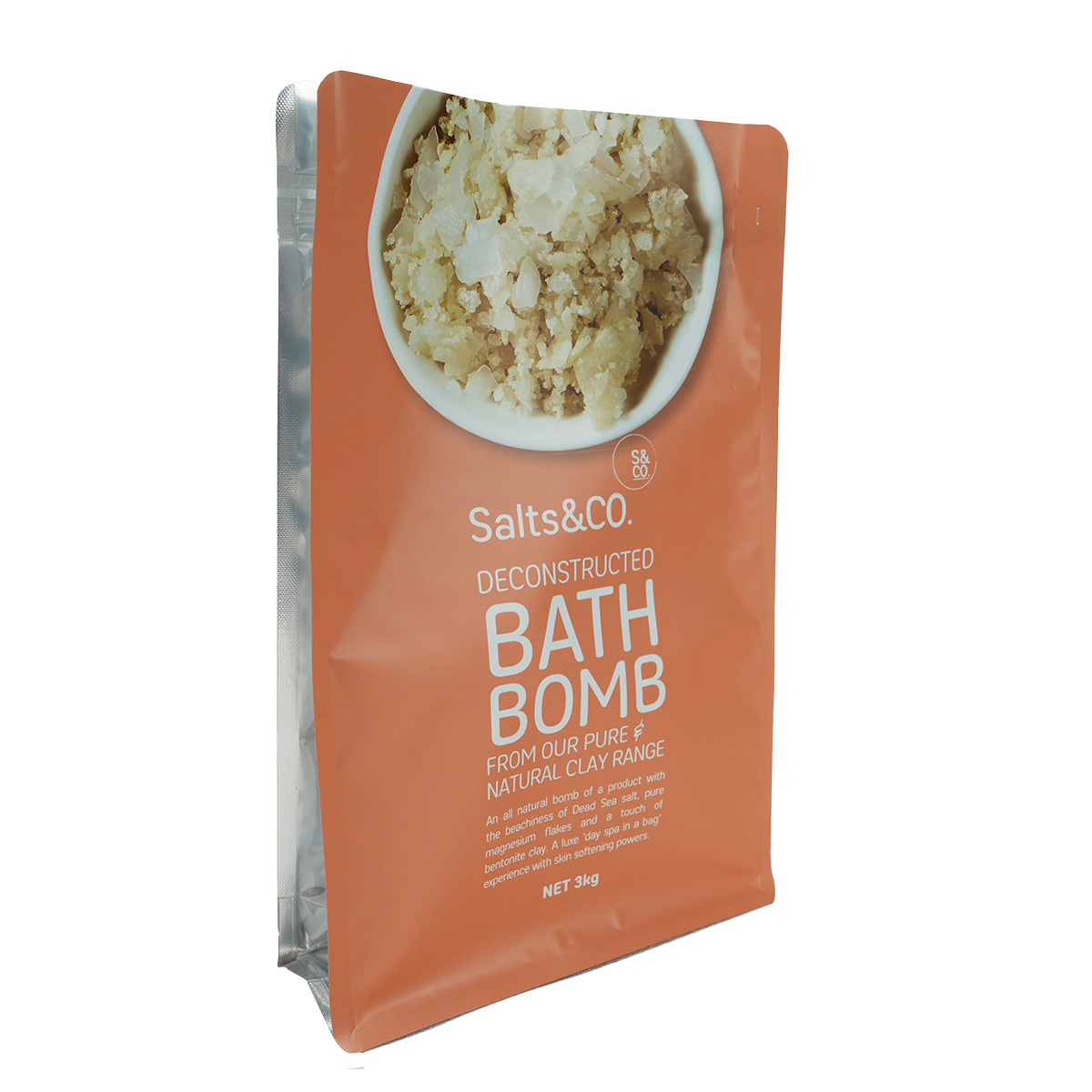
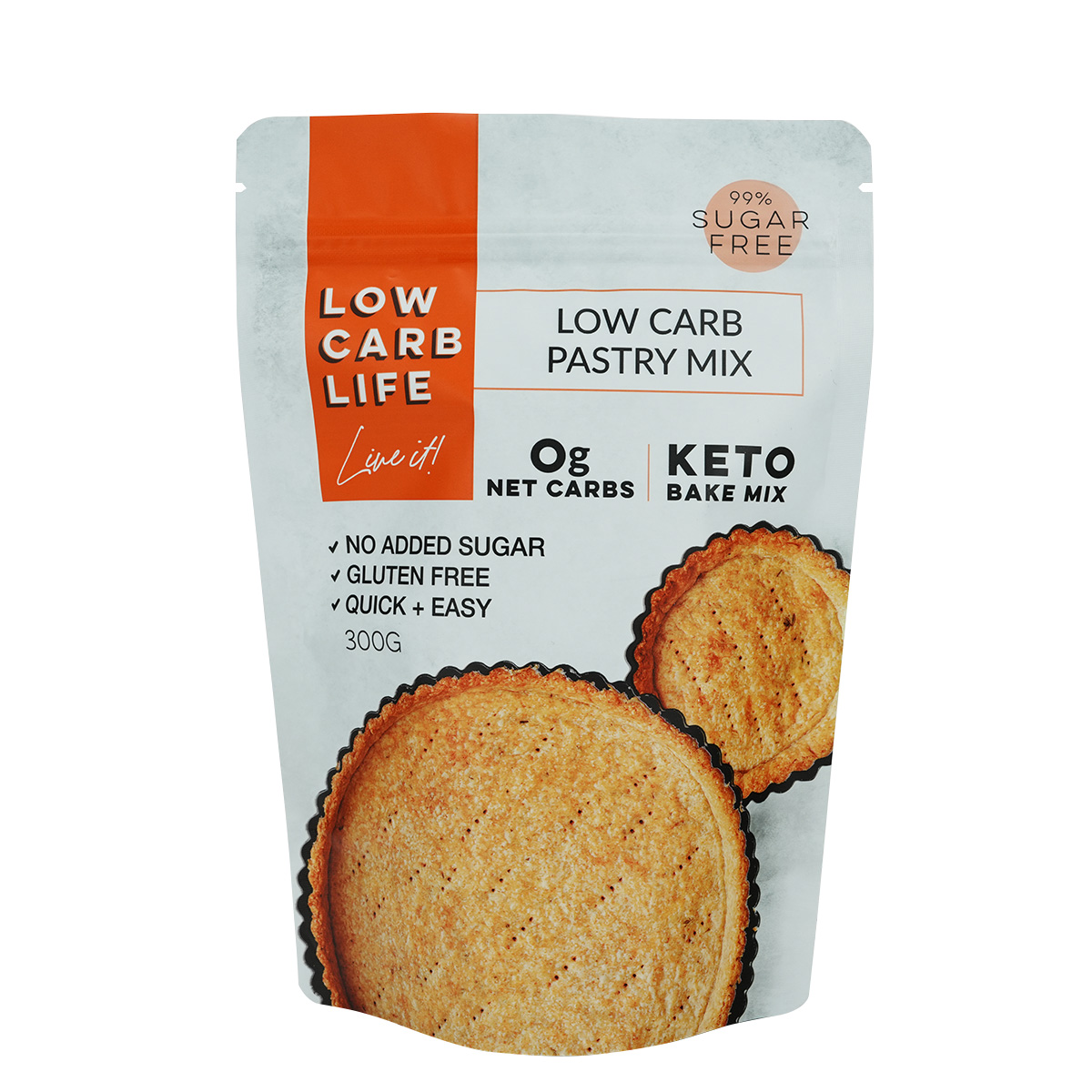
When I think about the types of food packaging available, I get really excited about how they can transform the way products are presented and preserved. Whether you’re aiming to buy eco-friendly options, or need robust materials for long shelf life, there’s a solution for every need. In my experience, investing in quality food packaging can enhance brand visibility and keep your products fresh and appealing to customers. I recently spoke with a factory that specializes in custom designs tailored to your product's specific requirements. They understand that the right packaging not only communicates the brand but also plays a significant role in the buyer's journey. So, if you’re in the market to buy packaging solutions or ready to partner with a factory that prioritizes quality, let's connect and explore the best options for your business! Making informed choices in food packaging can dramatically impact your sales and customer satisfaction.
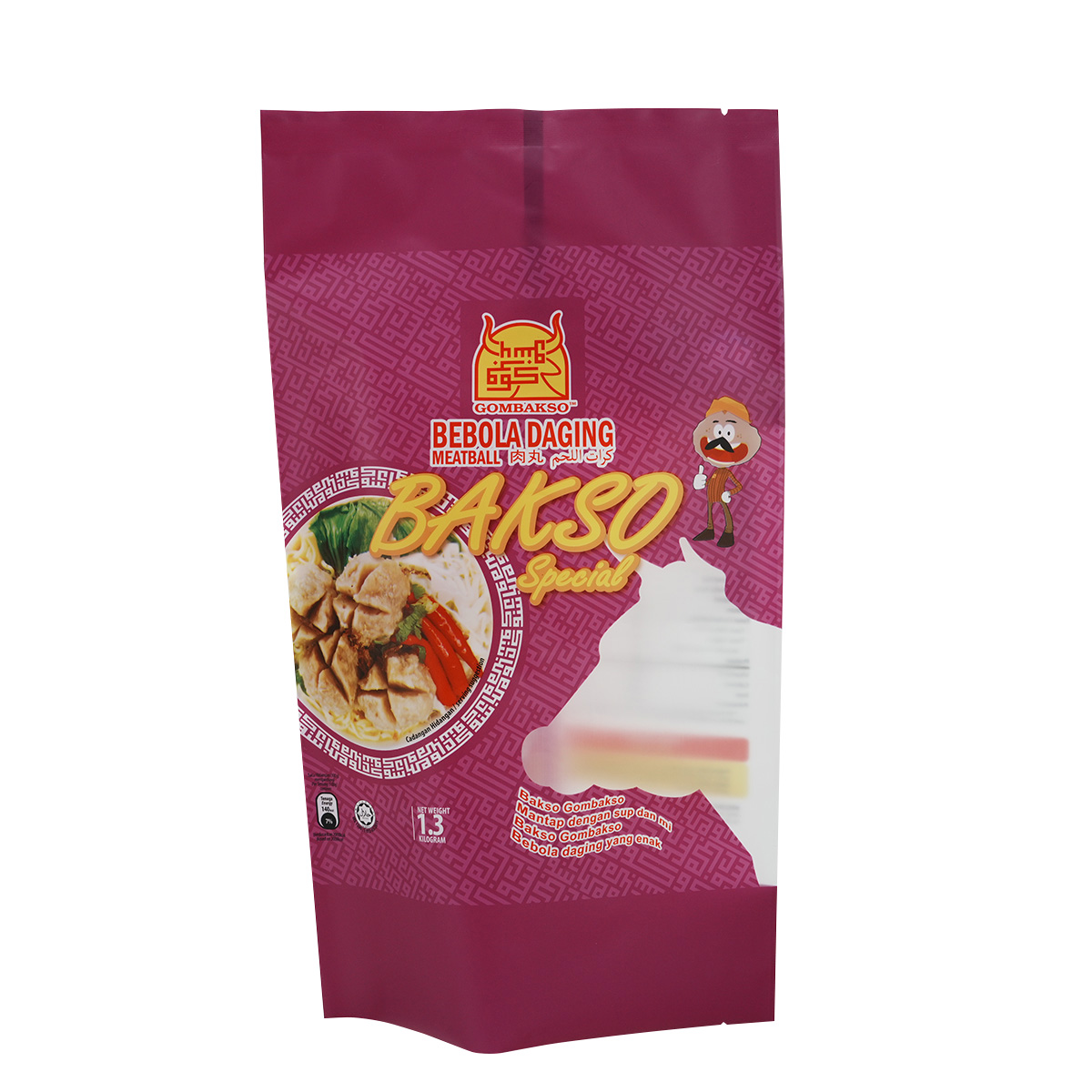


Types Of Food Packaging Trusted by Pros Manufacturers You Can Rely On
In the fast-paced world of food packaging, the effectiveness and reliability of materials play a critical role in ensuring product safety and freshness. Professionals in the industry often turn to various types of food packaging, each designed to meet specific needs and standards. From flexible packaging options such as pouches and films to rigid solutions like containers and boxes, it is essential to choose materials that not only protect the product but also enhance its appeal to consumers. One popular choice among manufacturers is eco-friendly packaging, which has gained significant traction due to increasing environmental concerns. Biodegradable films and recyclable containers not only fulfill regulatory requirements but also resonate well with eco-conscious consumers. Innovations in this space allow companies to reduce their carbon footprint while appealing to a growing market segment that prioritizes sustainability. Moreover, vacuum-sealed packaging is another trusted solution, particularly for perishable items. This method effectively extends shelf life by minimizing oxygen exposure, thereby maintaining flavor and freshness. Investing in high-quality food packaging materials goes beyond compliance with safety standards; it can significantly affect a brand's reputation and sales performance. As global buyers search for reliable packaging partners, selecting manufacturers that prioritize innovation, quality, and sustainability becomes crucial. By collaborating with trusted suppliers, businesses can ensure they meet consumer demands while navigating the complexities of today's dynamic market.
Types Of Food Packaging Trusted by Pros Manufacturers You Can Rely On
| Packaging Type | Material | Environmental Impact | Best For | Pros | Cons |
|---|---|---|---|---|---|
| Plastic Containers | Polyethylene (PET) | Recyclable | Sauces, Dips | Durable, Lightweight | Not biodegradable |
| Glass Jars | Glass | Recyclable, Reusable | Preserves, Spices | Non-toxic, Inert | Heavy, Breakable |
| Cardboard Boxes | Recycled paper | Biodegradable | Dry Goods, Bakery | Lightweight, Customizable | Can absorb moisture |
| Aluminum Foil | Aluminum | Recyclable | Meat, Produce | Lightweight, Heat-Resistant | Not suitable for microwave |
| Biodegradable Bags | PLA (Corn Starch) | Biodegradable | Fruits, Vegetables | Eco-Friendly, Lightweight | Limited durability |
Related Products
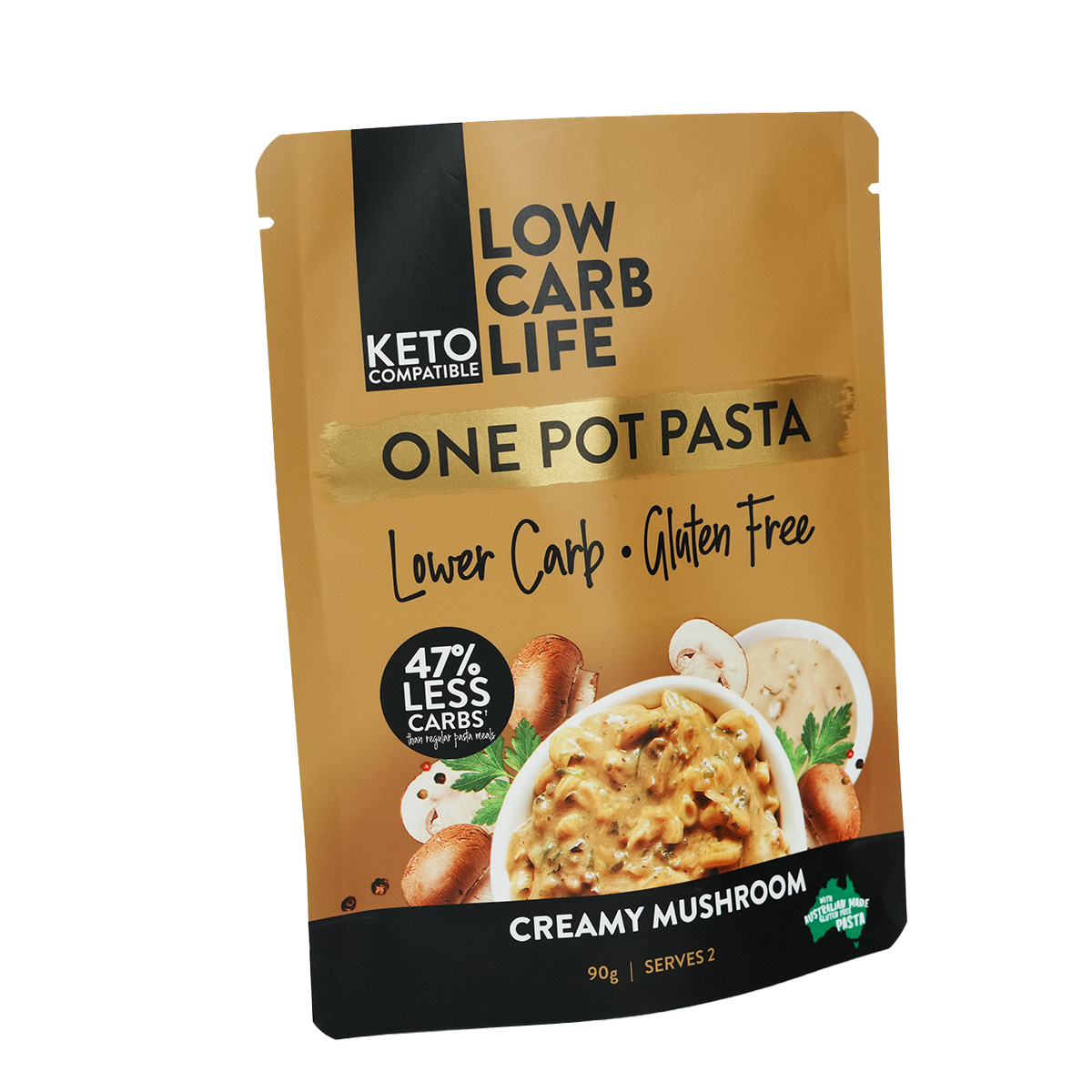
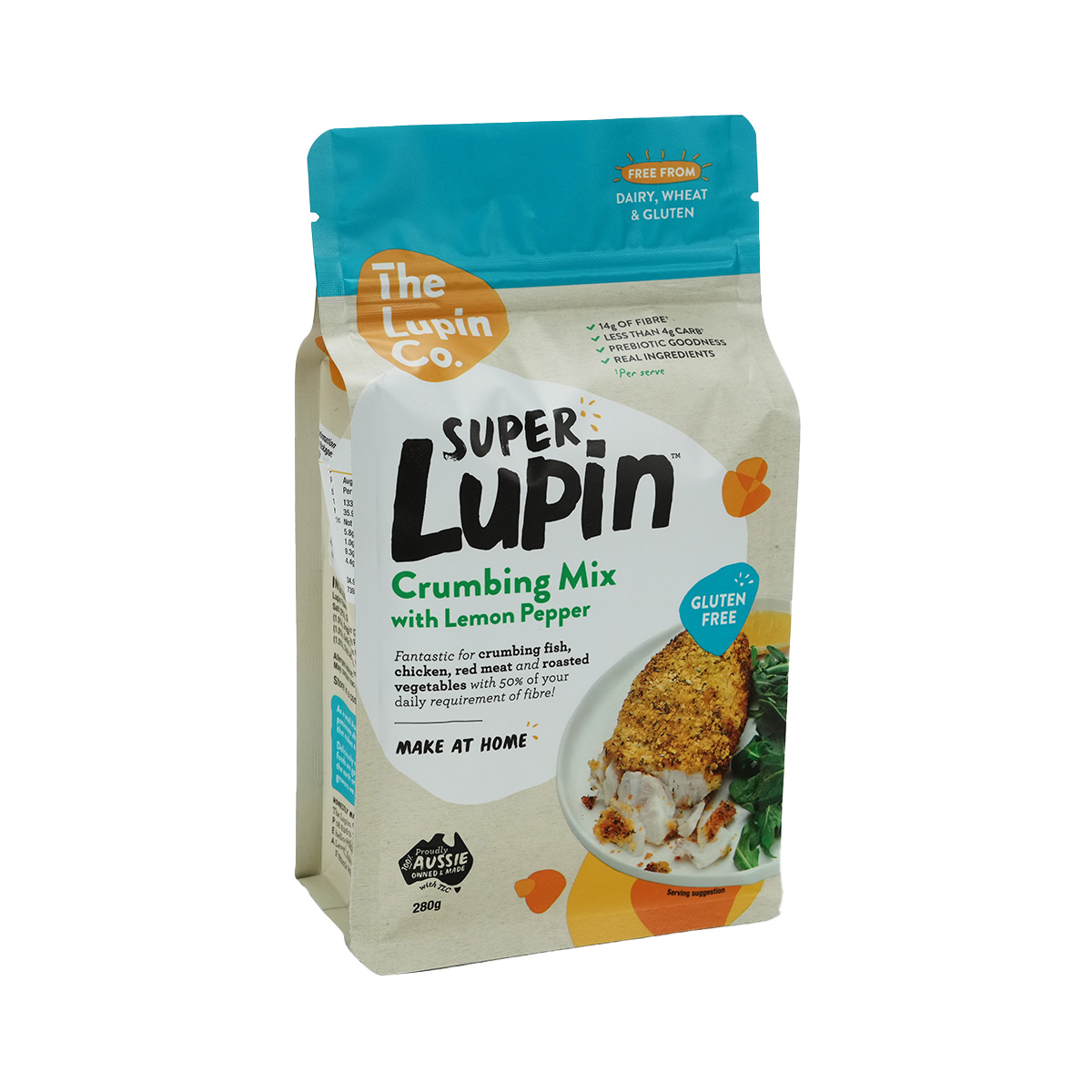
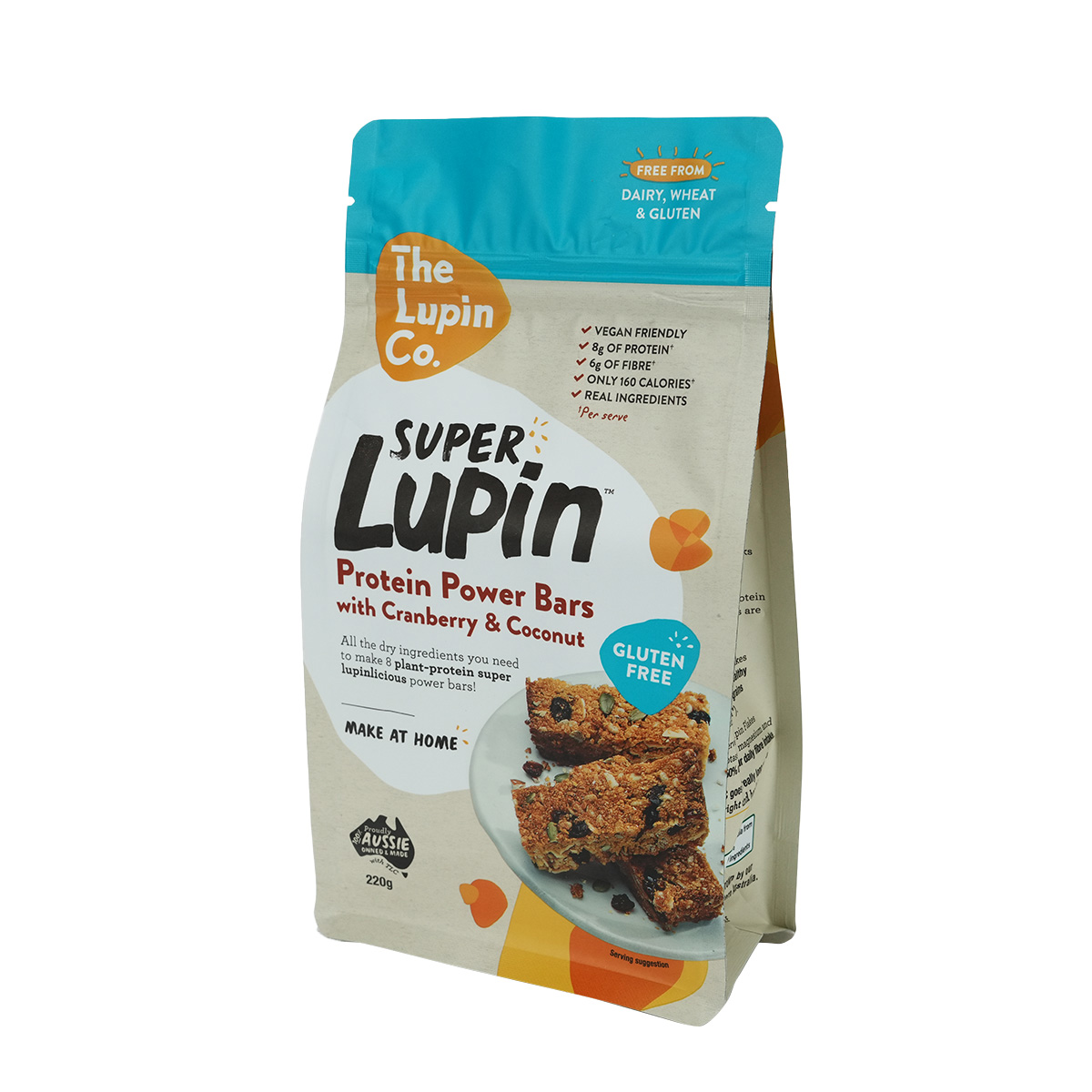


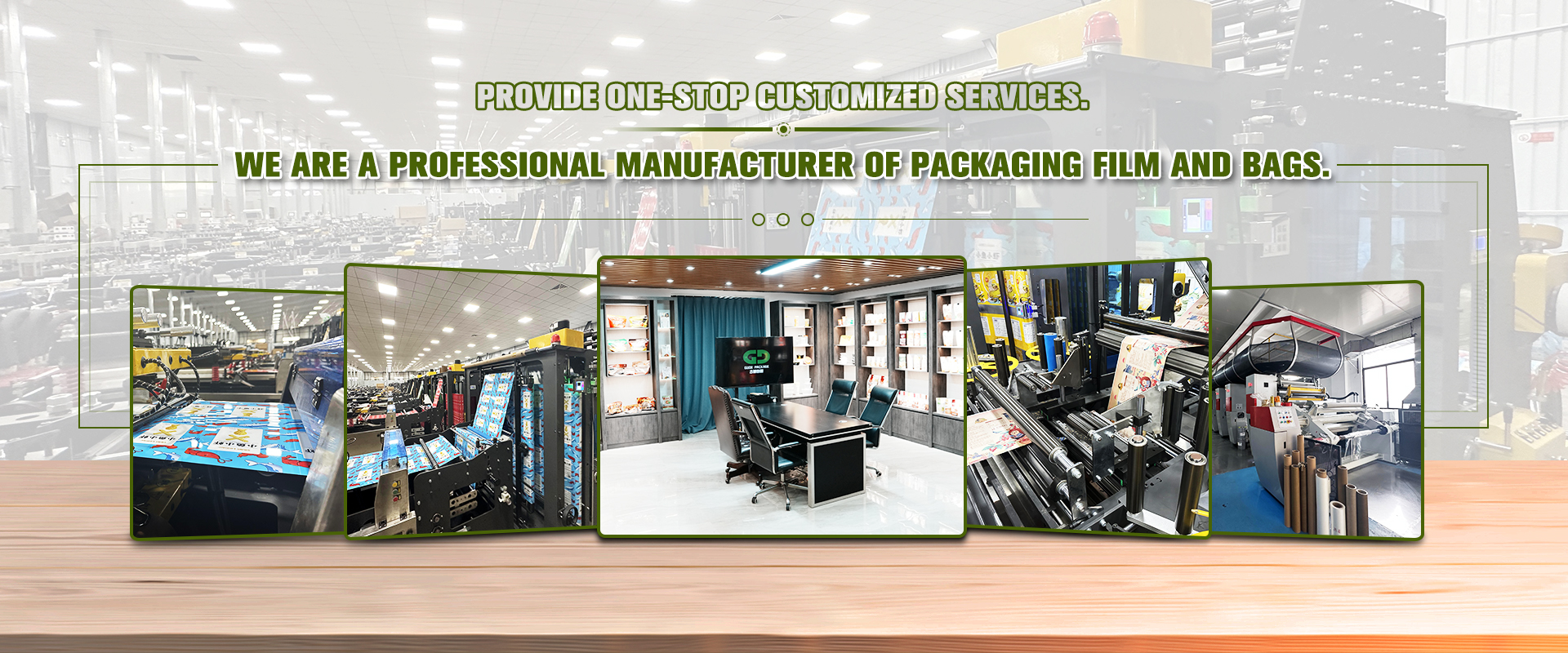
Types Of Food Packaging Manufacturer Your End-to-End Solution
Top Selling Products




- Related Blog
- Reviews

-

Phone
Phone
86 13502997386
86 13682951720 -

E-mail
-

Whatsapp
-

Wechat
Wechat

-

Top